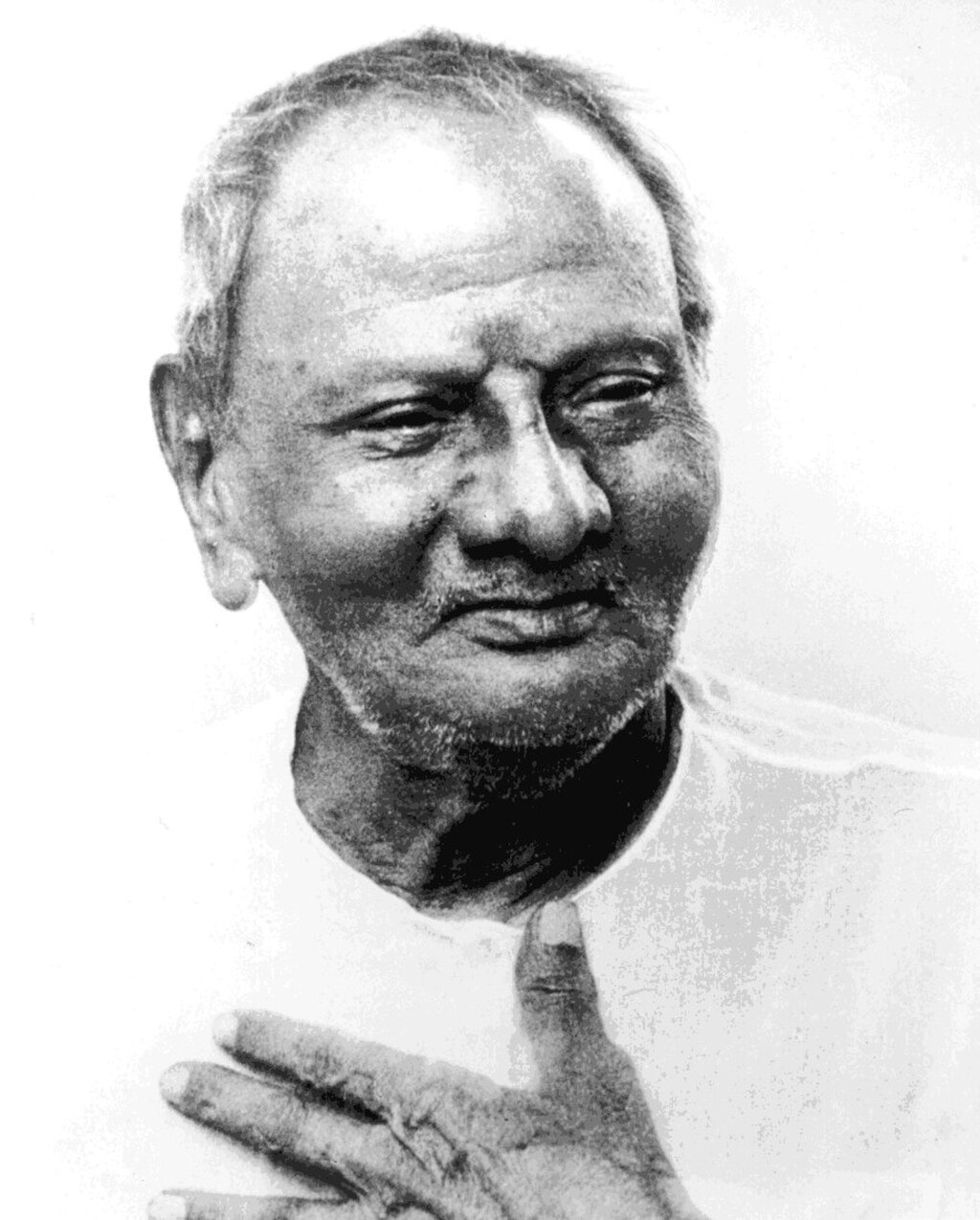
Finding Home in the Void: Embracing Emptiness
Nisargadatta Maharaj's assertion that "Your real home is in nothingness, in emptiness" invites us to reconsider our understanding of belonging and identity. In a world that often equates home with physical space, relationships, or achievements, this profound statement challenges us to explore the depths of our existence beyond the tangible. It beckons us to recognize that true solace and peace reside not in the accumulation of things or experiences, but in the acceptance of emptiness as a fundamental aspect of our being.
This exploration of emptiness is not merely an abstract philosophical exercise; it is a vital inquiry into the nature of our consciousness. By embracing nothingness, we are encouraged to let go of the incessant clinging to identities and possessions that often lead to suffering. In this light, Maharaj's words resonate deeply with the spiritual seeker, offering a pathway to liberation from the confines of ego and the transient nature of worldly attachments.
The image / the metaphor
The imagery of "nothingness" and "emptiness" evokes a sense of vastness and potential. It suggests a space devoid of clutter, where the mind can rest and the heart can open. The verbs "is" and "in" imply a state of being rather than doing, inviting us to inhabit this emptiness rather than fear it. This felt sense of homecoming to nothingness can be both unsettling and liberating, as it challenges our conditioned responses to seek fulfillment in external sources.
In the speaker's tradition
Nisargadatta Maharaj's teachings are rooted in the non-dual tradition, which emphasizes the oneness of existence and the illusory nature of the self. Concepts such as *sunyata* (emptiness) and *kenosis* (self-emptying) resonate deeply within this framework, highlighting the importance of relinquishing the ego to experience the true nature of reality. In this tradition, the notion of home transcends physicality, inviting practitioners to explore the depths of their consciousness and recognize their inherent connection to the universe.
In texts such as the *Heart Sutra*, the idea of emptiness is articulated as a profound truth: "Form is emptiness, emptiness is form." This echoes Maharaj's sentiment, suggesting that what we perceive as solid and substantial is, in essence, a manifestation of emptiness. By engaging with these teachings, we can cultivate a deeper understanding of our existence, moving beyond the superficial layers of identity to discover the essence of who we truly are.
Living the teaching
Consider a modern scenario where the pressures of daily life lead to feelings of overwhelm and disconnection. In such moments, we often seek refuge in distractions—whether through social media, consumerism, or incessant busyness. Maharaj's teaching invites us to pause and reflect on the nature of our seeking. Instead of looking outward for solace, we can turn inward, embracing the emptiness that lies beneath our desires and fears. This practice of returning to nothingness can provide a profound sense of relief, allowing us to reconnect with our true selves.
In the context of relationships, the teaching of emptiness can also offer transformative insights. When conflicts arise, we may cling to our perspectives, seeking validation and control. However, by embodying the principle of emptiness, we can approach these situations with openness and humility. This willingness to let go of rigid identities and expectations fosters deeper connections, allowing love and understanding to flourish in the space created by our shared vulnerability.
A reflection
As we contemplate Nisargadatta Maharaj's profound assertion, we are invited to explore the nature of our own attachments and identities. What does it mean to find home in emptiness? In what ways can we begin to embrace the nothingness that lies at the core of our being? Reflecting on these questions can lead us to a deeper understanding of ourselves and our place within the vast tapestry of existence.


Join the BrightStar Community
Stay connected with daily inspiration, event announcements, and community wisdom